
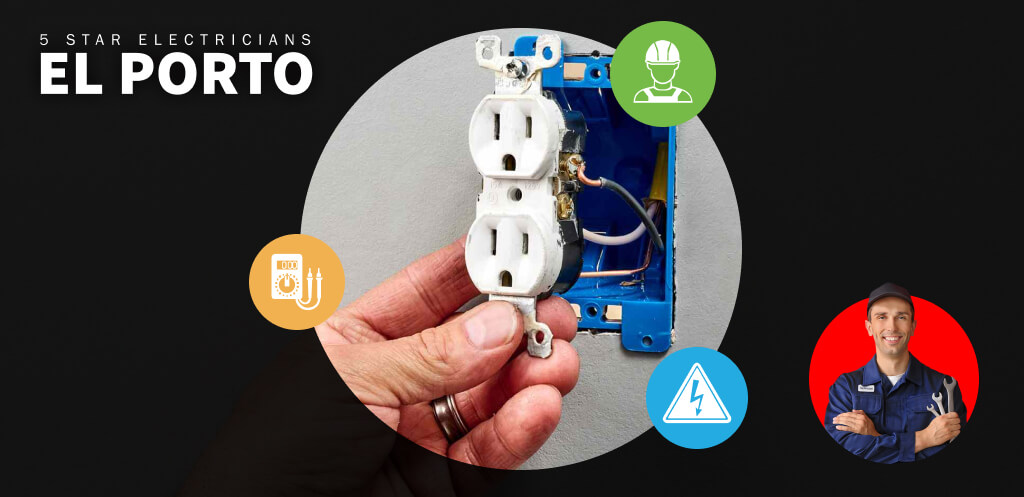
The electrical system plays an important role in homes and commercial areas where we mostly use electricity to do many things. Outlets are placed in each section of your house and corners where it is accessible to use the electrical current.
5 Star Electricians El Porto provides a complete range of electrical services. A team of professionally trained electricians, licensed and experienced, to handle any minor or major electrical services for residential and commercial areas. Electrical must be handled properly to ensure safety and prevent fire hazards.
However, there will be an instance when you will notice that the outlet is no longer working. When this happens, it must be checked to ensure that this will not lead to fatal accidents. Our licensed electricians are always ready and available to help you and provide the best outlet repair service you need for your home or commercial areas.
However, when you face a problem with any of the electrical outlets that you have had at home, here are some ways that you can troubleshoot and replace them. Troubleshooting an electrical outlet that doesn’t work can be simple. The first thing that you need to do is discover whether the outlet is faulty or the problem lies elsewhere.
Troubleshooting the Electrical Outlet
1. Make sure that the issue is not with the appliance or lamp. Some appliances, such as hair dryers, have overload protectors that automatically shut them off if they start to overheat. Look for a reset button and if the appliance has one, reset it. If you don’t have one, try another working appliance or lamp in the outlet.
2. Is the outlet connected to any switch? A typical outlet is called a duplex receptacle because it has two places for plugin devices that can be connected to a switch. Make sure that any switch in a room does not control one-half of the duplex receptacle or the entire receptacle.
3. Determine if the outlet is a GFCI. Receptacles in the kitchen, bathroom, or even the outdoors are likely to be ground-fault circuit interrupter (GFCI) receptacles. Other receptacles that follow them along the circuit will shut off when they receive minor electrical grounding faults. Look for a reset between the two outlets where you plug in the devices. Also, check for other nearby receptacles that may be on the same circuit.
4. Check the circuit breaker. This serves as the receptacle’s circuit to be sure it has not tripped or blown. If it has, reset the breaker or replace the fuse, and try plugging a working lamp or appliance into a receptacle again.
5. If the receptacle still doesn’t work. Make sure to turn off the receptacle’s circuit breaker, unscrew the cover plate and use the volt tester to be sure none of the wires in the electrical box are still hot. Then check to ensure the wires are securely fastened to the terminals.
6. Look for any signs of charring. A brownish or blackish stain on the receptacles indicates a burned-out receptacle. With this, you should replace it.
Replacing the electrical outlet
Make sure that you have purchased the replacement. Make sure to get a replacement outlet with the correct wiring type. Though most outlets are standard, aluminum wiring should only be connected to receptacles designed CO-ALR.
Before you work on the outlets, always make sure that you have shut off the electrical power. You can use a voltage tester to ensure the power is off.
On the other hand, to ensure that it is properly done, you can always seek the assistance of a professional electrician.
Why Can’t I Plug Anything Into The Outlet?
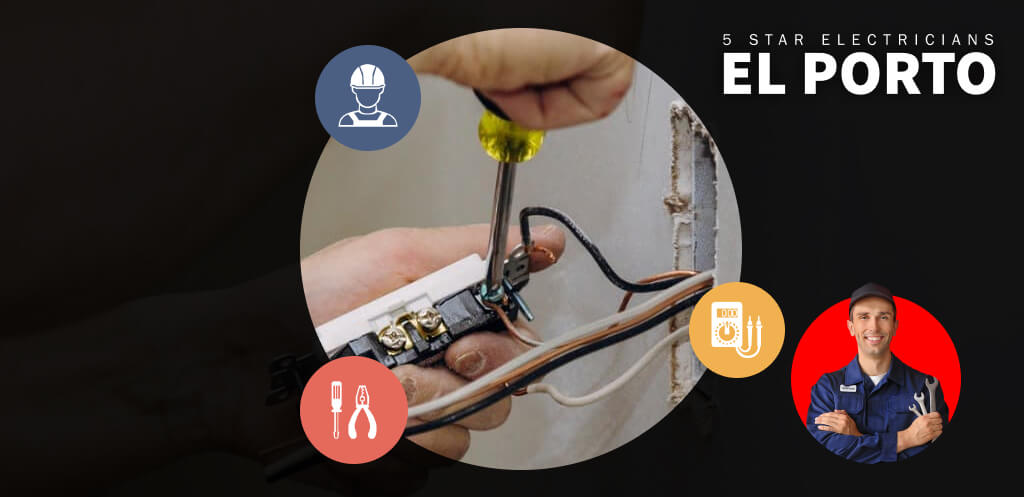
You may notice that you may not be able to plug in anything on one of your home’s outlets. Modern tamper-resistant outlets are an alternative option for their good safety feature, but they can also present some challenges. They can also be much harder to plugin to. But, if you are using an ordinary outlet, there are some factors it can cause.
1. Shutters. Some sockets have shutters designed to prevent your children from accidentally sticking metal objects into the outlet. Sometimes, the shutters become damaged. This will prevent you from moving out of the way whenever you attempt to push the plug’s prongs into the outlet slots.
2. Mismatch Configuration. Some of the plugs have two prongs, and others have three. This is the same for the outlets. Some have two slots, and others have three. You can push a two-prong into an outlet with a three-prong. However, you cannot force a three-prong plug into an outlet with two slots. If the plug configuration does not match the configuration of the outlet, this will prevent the plug from entering the outlet.
3. Blockage Due To Debris. If you can’t plug into an outlet, you have to consider that there is a possibility that the outlet slots have some form of debris that blocks the plug entry. Children tend to push stones, pieces of paper, and other objects into the slots of the outlets.
4. Different Prong Size. If the plug’s prongs are thicker than the slots, the plug won’t be able to enter the outlet.
When this happens, there are different ways to ease up the outlets for you to plugin easily. Doing this includes:
- Giving the outlets time to loosen up – Time can do many amazing things, and loosening the outlets up can help you. Once that happens, you can glide in the plug as it matches. Your hands won’t have to give an extra effort to do so.
- Slides in a larger spade first – While installing the tamper-resistant outlets, you might notice that they have covers inside them. If you place the more massive spade of the plug inside the outlet first, it will help to glide over the lids.
Whenever you need to fix any of your outlets or any other electrical concerns at home, contact 5 Star Electricians El Porto to properly check the electrical system’s condition and do the right fix.