
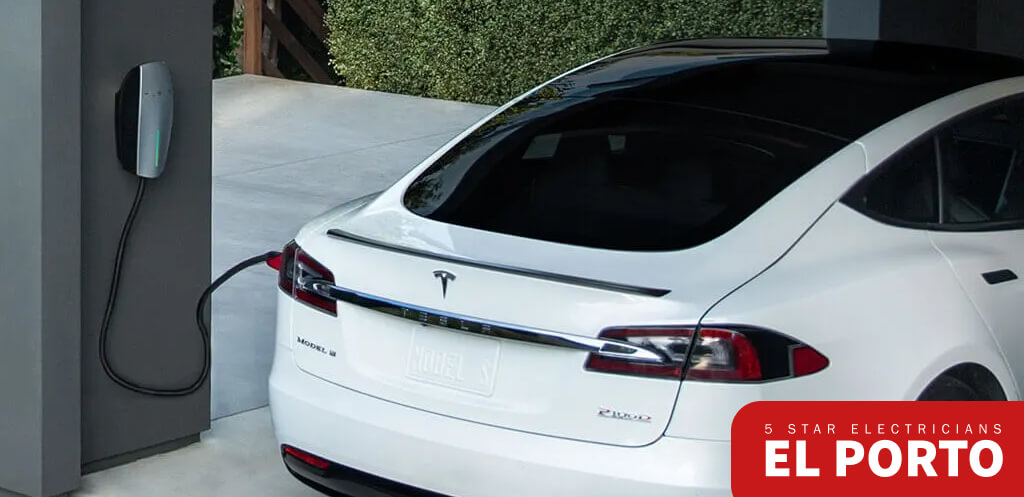
Envision never having to make another pit stop for gas because you always have an unlimited fuel supply at your house or usual parking spot. This is the case for many people who drive electric vehicles. Forget about gas for good with an all-electric vehicle; even a plug-in hybrid may not need it for short commutes.
Adding a home EV charging station is a common environmentally conscious upgrade that gives electric vehicle owners more liberty and ease. Having a licensed electrician install these gadgets is usually a breeze. No matter if you have a 100-amp or 200-amp panel, there may be one question lingering in your mind: How do I know if my electrical panel can support my EV charger?
For electric vehicle (EV) charging needs in El Porto, look no further than 5 Star Electricians El Porto. Through the many electric vehicle charger installations our expert electricians have performed in the El Porto area, we have gained a great deal of knowledge about adapting these devices to new and older homes. So, can your current electrical panel support an EV charging station?
The answer is many new homes nowadays have a 200-amp electrical panel. These panels can withstand the increased electrical load caused by today’s more powerful and energy-hungry appliances and gadgets.
- If you have a 200-amp panel at home, there is no need to upgrade your electrical system before installing an EV charging station. The primary caveat is if your current usage is pushing your 200-amp panel close to its limits. However, this is only likely if your home has a greater electrical demand than average.
- However, if your home only has a 100-amp panel, an upgrade may be necessary to accommodate your EV charger. For many years, electrical panels with a 100-amp capacity were the standard because they were enough to meet the average home’s needs. Today, the average modern household requires more power than a 100-amp panel can provide, especially when adding an electric vehicle charger.
Even while most newer electric cars can use a regular 120-volt outlet, upgrading your system for added safety and reliability is still a good idea. You adjust your car mirrors for optimal sight and safety; why not do the same for your home charging system, consulting a licensed electrician to ensure everything is set to work out?
A Beginner’s Guide to Choosing The Right Home EV Charger
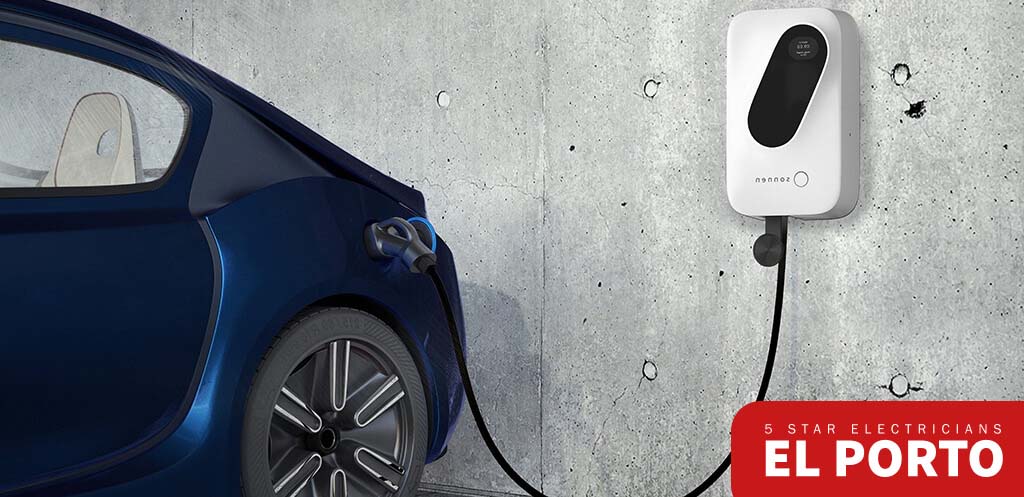
Many consider electric cars to be the future. EV chargers might have also crossed your mind if you are thinking of buying an EV one of these days. However, how do you determine which EV charger model is best for your needs and garage? Read this comprehensive guide to learn the suitable type of electric vehicle charger for you, their cost range, and why you need one now.
How to Choose A Suitable EV Home Charger?
When picking out an EV charger to use at home, it depends on the EV owner’s charging requirement and charging schedule preference. Consider the following factors to think about:
- How many EVs do you own?
- What is your standard budget for your EV?
- How frequently do you drive your EV?
- What is the type of your electrical panel?
- Would you be open to an electrical system upgrade if needed?
Answer those questions yourself and think about them thoroughly before investing in an EV and EV charger. By planning, you can evade unforeseen costs that might push you to give up on your modern car.
The 3 Types of EV Chargers
An electric vehicle (EV) charger is a device that you can plug into a standard wall outlet to recharge the battery in an electric vehicle. There are three available EV chargers: standard, fast and ultra-fast.
- With 3-8 kilowatts of electricity, a standard EV charger can charge an empty EV battery to full power within 8 to 12 hours.
- With 10-80 kilowatts of power, a fast EV charger can fully charge the EV in 30 minutes to 4 hours at most. This is ideal for those with a garage.
- With 100 or more kilowatts of power, an ultra-fast EV charger reaches full battery power in as little as 10 minutes. It is the newest type of charger that has been gaining popularity and wide utilization, especially for those with garages.
You will have to decide what kind of electric vehicle charger is ideal for your situation. You only need a standard charger if you only have a standard outlet. But with a 240-volt outlet, you can opt for a standard or fast charger, whichever fits your needs or budget.
Why You Should Buy an EV Charger to Use at Home
Do you need an EV charger ready at home if you buy an EV? A home EV charger is useful for a variety of reasons. Perhaps you have joined the burgeoning population of those who drive only electric cars. But what comes next?
As such, an electric vehicle charger is a useful accessory to have. You can charge your electric vehicle at home with a standard electrical outlet, like a mobile device or computer.
However, what if you are not ready to upgrade your electrical system just yet but are genuinely curious about it? In this situation, observing how an EV charger functions can be a fantastic educational opportunity.
Or, maybe you are keeping your heart open to it and want to lay the groundwork for a potential future transition. We are not bluffing when we say anyone who already owns or is considering buying an EV in the future should also invest in an EV charger. After all, it can be your best bet to avoid gas stations forever.
For more information about the proper ways to charge your EVs, head over to the rest of our blog articles. 5 Star Electricians El Porto offers insightful information about anything related to your electric vehicles and systems.